Police and Ambulance Vehicle Decontamination in St. Clair, MI
Blood, bodily fluids and infectious material are removed from your St. Clair police car, ambulance or transport unit, followed by detailed cleaning and disinfection. Call 24/7 to arrange a vehicle assessment and begin the work.
- Unmarked vehicles
- EPA-registered disinfectants
- Cleaning process through final checks
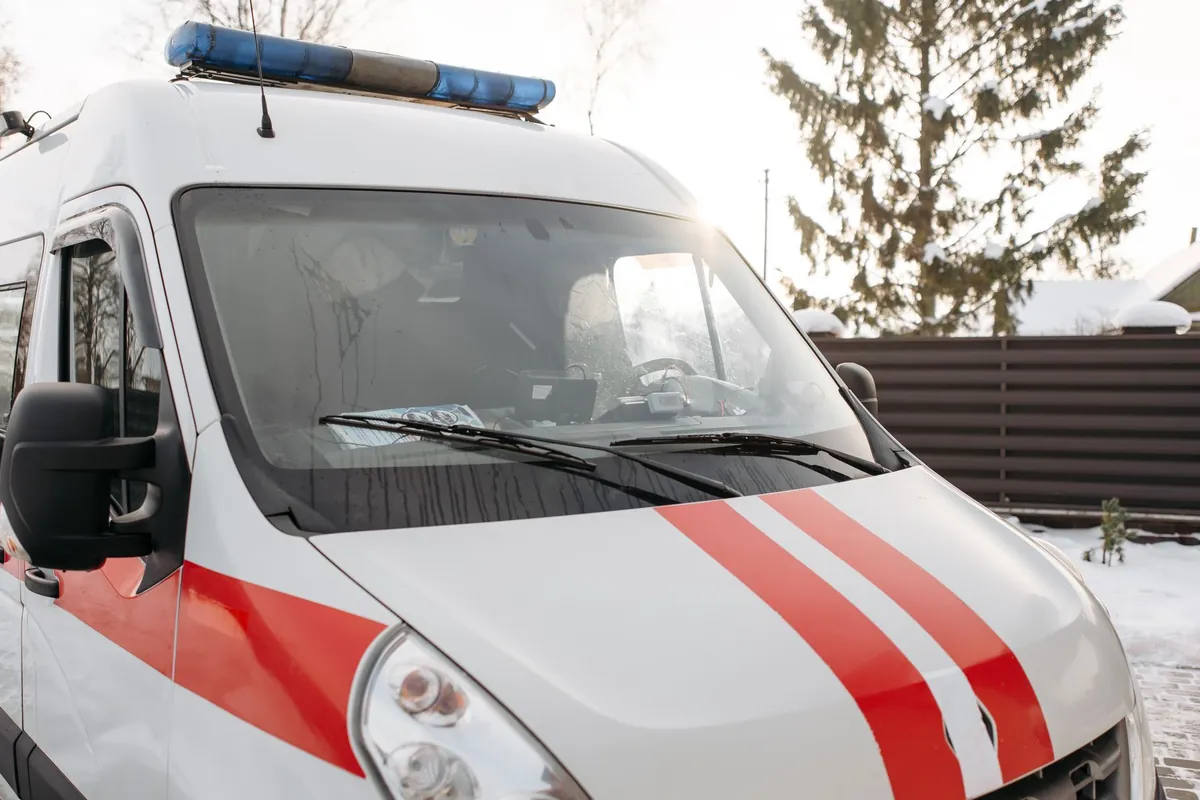
Police and Ambulance Vehicle Decontamination in St. Clair
Your vehicle cleanup covers biological material on seats, floors, restraints, partitions, controls and compatible equipment surfaces. The affected cabin is assessed, material that cannot be disinfected is removed, and reachable hard surfaces are cleaned before treatment with an EPA-registered disinfectant.
Police cars, ambulances and transport units contain tight seams, seat tracks, rails, cabinet hardware and mounted equipment. Blood or bodily fluids can travel beneath flooring, into seat padding or around restraints as a person and equipment move through the cabin. The assessment follows those paths beyond the visible mark and distinguishes cleanable surfaces from absorbent vehicle materials that require removal.
The decontamination service includes a controlled work area, protective equipment, source removal, detailed cleaning, disinfection and preparation of hazardous waste for the applicable disposal route. Sensitive electronics and medical equipment are treated only with compatible methods. Evidence or personal property remains undisturbed until the appropriate release. Odor work begins with affected source material, and the final check identifies any component that still needs repair or replacement before the fleet owner considers the unit for use.
- Contaminated materials removed from accessible cabin surfaces
- Seat seams, floor edges and restraints checked for hidden spread
- Compatible hard surfaces cleaned before full-contact-time disinfection
- Absorbent trim evaluated for controlled removal
- Equipment contact points included within the agreed scope
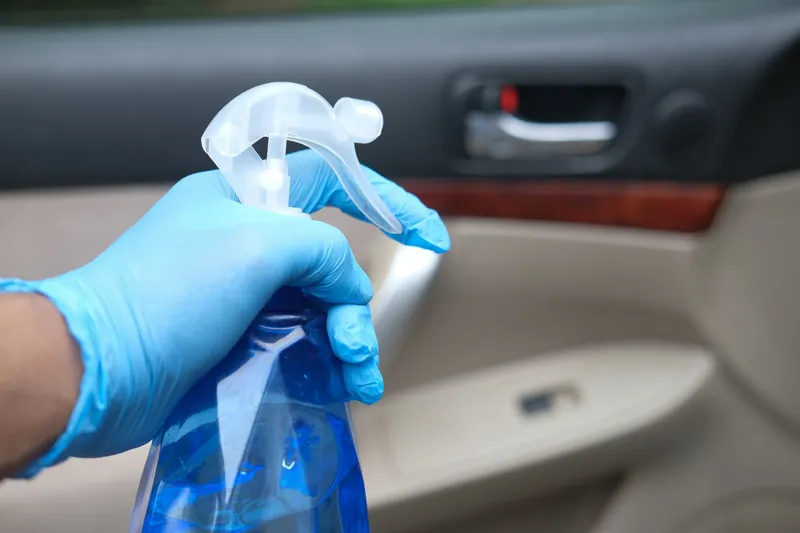
Signs a Police or Ambulance Vehicle Needs Decontamination in St. Clair
Visible residue, affected upholstery or odor can show that routine fleet cleaning is not enough. Your assessment defines the contaminated area, equipment considerations and work needed throughout the vehicle interior.
Police Vehicle Blood in Seat Seams
Blood on a seat, partition or restraint can enter stitching, tracks and gaps below the visible surface. The cleanup follows those routes and checks nearby contact points before treatment begins.
Police Car Fluid Beneath Flooring
A mark near a floor edge or seat mount may extend into an absorbent layer below. Vehicle biohazard cleanup assesses the material depth before deciding whether a section can stay or needs removal.
Material Left Behind Around Mounted Equipment
Fluid near electronics, medical mounts or partitions requires careful access and compatible cleaning methods. Components are assessed before movement, and any evidence remains in place until authorized release.
Odor Inside a Closed Emergency Vehicle
Persistent odor can indicate affected material beneath trim, inside seat foam or near equipment mounts. Source inspection comes before air treatment so concealed contamination is not covered by fragrance.
Infectious Material on Shared Touch Points
An illness exposure can involve controls, door grips, radios, restraints and other shared surfaces. Disinfectant selection follows the target organism, surface compatibility and full wet contact time on the product label.
Ambulance Contamination After Patient Transport
Bodily fluids may affect the cot area, rails, cabinet pulls, door controls and flooring during transport. The work accounts for both vehicle finishes and approved surfaces on equipment included in the scope.
Every Step of Police and Ambulance Vehicle Decontamination Across Greater Detroit
Your job moves from the first call to a vehicle-specific assessment, controlled removal, detailed treatment and a final inspection. Each stage accounts for the cabin layout, affected materials and sensitive equipment before the next stage begins.
Your Call and Police Vehicle Assessment
Your call establishes the unit type, reported contamination, known cleaning attempts and access arrangements. Inspection checks the cabin, exterior touch points and possible travel paths, then defines the work and price before decontamination begins.
Emergency Vehicle Work Zone
The unit remains outside normal service while the work boundary and access route are established. Protective gear is selected for the exposure, with clean equipment kept separate from the affected cabin.
Police Car Material and Equipment Check
Seats, floor layers, restraints, electronics and removable gear are assessed for access and compatibility. Evidence or property stays undisturbed until release, and sensitive equipment follows the appropriate procedure for that item.
Ambulance Interior Source Removal
Single-use barriers, absorbent trim and other material that cannot be effectively disinfected are removed in controlled sections. Waste is contained at the vehicle, while reusable equipment outside the affected scope stays separate.
Police Vehicle Detailed Cleaning
Visible soil is removed from reachable floors, partitions, seat shells, controls and compatible equipment surfaces. Cleaning reaches accessible joints, tracks and edges because residue can prevent disinfectant from contacting the surface below.
Ambulance Surface Disinfection
An EPA-registered disinfectant is selected for the target organism and compatible finish. Label directions govern dilution and application, and each treated surface remains wet for the complete stated contact time.
Vehicle Waste Packaging and Odor Work
Removed material is sealed and labeled for the applicable disposal route. Odor sources are checked after removal, with HEPA particle filtration or other treatment selected for the cabin only when the remaining conditions call for it.
Emergency Vehicle Final Inspection
The cabin, removal route and completed scope are checked for remaining residue, odor and overlooked contact points. Your fleet contact receives an explanation of treated areas, removed materials and any repair or component replacement that remains.
Why Choose Detroit Biohazard for Police and Ambulance Vehicle Decontamination
Care Around Vehicle Equipment
Mounted electronics, medical gear, restraints and evidence are identified before cleaning or removal decisions.
Discreet Fleet Access
Crews arrive in unmarked vehicles, with access arranged around your station, garage or fleet lot.
Cleaning Before Disinfection
Compatible surfaces are cleaned first, then treated with an EPA-registered product for its full label contact time.
Removal Through Final Checks
Affected materials are removed instead of covered, and the agreed work receives a final inspection.
Calls Answered 24/7
One number starts your assessment across the metro, including nights and weekends.
Before Police Car Decontamination in St. Clair County
Your call can begin while the affected unit remains parked in a controlled location and outside normal service.
- Vehicle Removed From Service. Restricted access limits unnecessary contact until the cabin and exterior touch points are assessed.
- Affected Items Left in Place. Seats, restraints, equipment and property remain available for inspection unless immediate safety requires movement.
- Fleet Contact and Remediation Process. Your organization's supervisor or infection control contact manages employee exposure steps separately from the vehicle cleanup.
Police and Ambulance Vehicle Decontamination Cost in St. Clair
Your price follows the contaminant, cabin materials, hidden spread, equipment access and waste needs found during assessment. The cards show related published national ranges with their original labels, units and sources. They are context for different kinds of vehicle contamination, not a quote for a police car or ambulance. Your assessed scope determines the price before work begins.
Vehicle biohazard cleanup
$500 to $5,000 per jobSource: BioCleaners Directory, Biohazard Cleanup Cost Guide (2026)Small blood or fluid cleanup
$500 to $2,500 per jobSource: BioCleaners Directory, Crime Scene Cleanup CostWhat Changes Emergency Vehicle Cleaning Cost in St. Clair
- Seat, floor and trim materials involved
- The cabin size and number of affected areas
- Contamination beneath panels or mounted equipment
- The type and amount of contamination
- Sensitive equipment and component access
- Hazardous materials packaging, transport and disposal needs
Your Vehicle Assessment and Price
These published national ranges are planning figures. Your assessment establishes the work and price before cleanup begins, including any separate repair needs.
Call (888) 440-9227 about costPolice and Ambulance Vehicle Decontamination Service Area Across Greater Detroit
Your assessment and cleanup can be arranged in St. Clair and nearby communities through one number, 24/7.
Police and Ambulance Vehicle Decontamination in Locations Near St. Clair
ZIP codes
St. Clair Frequently Asked Questions on Police and Ambulance Vehicle Decontamination
What does the emergency vehicle cleaning service include?
Your job includes a vehicle assessment, access control, removal of affected material, detailed cleaning, surface disinfection and waste disposal. Compatible equipment contact points are included within the agreed scope. Odor treatment follows source removal when needed, while component repair, replacement and the fleet owner's return-to-service evaluation remain separate.
How is blood cleaned from a police car?
Blood cleanup begins by defining the affected area and checking seat seams, tracks, restraints, floor edges and partitions for spread. Material that cannot be disinfected is removed. Reachable surfaces are cleaned before compatible disinfection. Sharps receive puncture-resistant containment, and dried blood is treated with the same careful exposure controls.
When is professional cleanup needed before vehicle detailing?
Ordinary detailing focuses on appearance and does not replace biohazard remediation. Biological material may extend into upholstery, flooring or equipment gaps that require controlled access, protective equipment and hazardous waste disposal. Cosmetic detailing can follow once the contaminated source is removed, affected surfaces are treated and any evidence restrictions have ended.
How is an ambulance decontaminated after patient transport?
The reported exposure guides inspection of the cot area, rails, restraints, cabinet pulls, door controls, floors and compatible equipment surfaces. Visible soil is removed before an EPA-registered disinfectant is applied for its full label contact time. Porous or damaged material may require removal, and reusable medical equipment follows its applicable procedure.
Do insurance companies cover ambulance decontamination in Michigan?
Possible coverage depends on who owns the ambulance, the cause of contamination and the terms of the applicable policy. Exclusions, limits and a deductible can affect payment. The insurance company makes the decision, and cleanup, damaged components, medical equipment and downtime may be evaluated differently under the same policy.
Is dried blood in a police car still a biohazard?
Dried blood still requires careful treatment. CDC says hepatitis B can survive on surfaces for at least seven days, so dry appearance alone does not establish that a mark is safe. The work uses bloodborne pathogen controls, suitable protective equipment, detailed cleaning and a compatible EPA-registered disinfectant applied for the labeled contact time.
How long does emergency vehicle cleaning take in St. Clair?
The schedule depends on what entered the vehicle and where it traveled. Reachable hard surfaces involve fewer stages than fluid inside upholstery, beneath flooring or around fixed equipment. Sensitive electronics, odor work, waste volume and replacement parts also affect timing. Your fleet owner completes its own return-to-service evaluation after the cleanup.
What changes police car decontamination cost in St. Clair County?
Your price depends on the contaminant, cabin area, material penetration, equipment access and waste volume. Fluid on a reachable sealed panel involves different work from contamination beneath flooring or inside seat foam. The cards show related national ranges with their sources and units, while the vehicle assessment establishes your actual scope and price.
Emergency Vehicle Cleaning and Insurance in Michigan
Coverage depends on vehicle ownership, the cause of contamination, the applicable policy and any deductible or exclusions. The insurance company determines payment. Cleanup, damaged interior components, medical equipment and vehicle downtime may receive different decisions under the policy.
Serious Health Risks and Controls for Police and Ambulance Vehicles in Michigan
Bloodborne pathogens, hidden fluid, sharps and contaminated equipment require restricted access and protective equipment. Controlled cleaning reduces contact while vehicle materials are removed or disinfected.
Sharps and Vehicle Waste
Needles, lancets, broken glass and sharp equipment are separated into containers suited to their puncture risk.
Police Vehicle Bloodborne Pathogens
CDC says hepatitis B can survive on surfaces for at least seven days, so dried blood still requires careful treatment.
Surrounding Areas and Cross-Contamination
The work zone limits transfer from boots, gloves, controls and equipment to clean areas of the unit or garage.
Hidden Ambulance Contamination
Seat stitching, rail channels, floor transitions and spaces beneath removable trim are checked where fluid may have traveled.
Cleanup scope: A small event on an intact non-porous surface may fit an organization's approved exposure procedure. Fluid inside upholstery, flooring, seams or equipment requires assessment through the affected material rather than a surface wipe alone.
Emergency Vehicle Materials Cleaned or Removed in St. Clair County
Intact hard surfaces can often remain when the affected area is accessible and compatible with the cleaning products. Absorbent or damaged materials are removed when contamination cannot be reached for effective treatment.
Hard Vehicle Surfaces
- Sealed floors, wall panels, partitions, rails and intact restraints are assessed for cleaning.
Absorbent Vehicle Materials
- Affected floor covering, seat fabric, foam and damaged trim are evaluated for removal.
Emergency Equipment and Personal Property
- Electronics, removable medical gear and evidence are separated for compatible procedures and required release.
Police and Ambulance Cleaning Schedule in St. Clair County
Your schedule follows the affected surfaces, material depth and access around mounted equipment. Repair work and the fleet owner's return-to-service evaluation follow its own timing.
- Reachable Hard Surfaces: Accessible compatible finishes require fewer removal stages.
- Hidden Material or Equipment: Fluid beneath flooring, inside a seat or near fixed components adds access and removal work.
- Completion: Final checks, necessary repairs and the organization's own evaluation determine readiness for use.
Emergency Vehicle Odor Removal and Air Quality in St. Clair
Odor treatment starts with contaminated material beneath floor edges, inside seat foam or around equipment mounts. Fragrance does not replace source removal from the cabin.
Air treatment is selected after affected material is removed and surfaces are cleaned. HEPA filtration captures particles, while residual odor methods, vents and replaceable cabin filters are considered separately according to the event and vehicle components.
Emergency Vehicle Decontamination Requirements Across Greater Detroit
Cleanup Technicians and Worker Protection
OSHA Bloodborne Pathogens Standard 29 CFR 1910.1030 addresses occupational exposure controls, protective equipment and work practices.
Ambulance Disinfectant Labels
EPA-registered disinfectants are selected for the intended organism and compatible surface, including the full labeled contact time.
Vehicle Biohazard Waste Disposal
Michigan treats these materials as potentially infectious medical waste. The Department of Environment, Great Lakes, and Energy enforces rules on handling, storage, treatment and disposal, so it cannot go in household trash.
Law Enforcement and Official Release
Local health and building rules can affect how a contaminated room is cleaned and when it can be used again, so mention any notice you have received from the city or county.
Related Cleanup Services in St. Clair County
Start Your Police and Ambulance Vehicle Decontamination in St. Clair
Calls are answered 24/7. Your assessment establishes the affected materials, access arrangements and cleanup scope before work begins.